
Where code meets playable results
Domain brings structured, hands-on game programming workshops to participants across the country - no commute, no compromise on quality.
After the workshop ends
Skills that stay useful
-
01
Portable game logic
The patterns covered here - collision, state machines, event loops - transfer directly to Unity, Godot, or any pdfgear desktop-adjacent tool you use for documentation and iteration.
-
02
A working project in your portfolio
Each workshop ends with something you built - not a tutorial clone, but a project shaped by your own decisions during the exercises.
-
03
Confidence with unfamiliar problems
The assignments are designed to be slightly uncomfortable. That discomfort is where the durable learning happens.
-
04
Access to the participant archive
Completed workshops remain accessible. Revisit exercises, review your earlier code, or use past material as a reference when a new project raises a familiar question.

Knowledge you can apply on Monday
Every exercise is built around a real scenario - not a contrived example. The code you write during a session is the kind of code you will write again outside it.
What makes results possible
The structure of a workshop matters more than the content list. Here is what the approach actually looks like in practice - not a feature list, but a set of deliberate choices.
Assignments before explanations
Each topic starts with a problem, not a lecture. You attempt something first, then the explanation arrives with context you actually need.
Small steps, visible progress
Tasks are scoped tightly - most take 20 to 40 minutes. Momentum matters more than marathon sessions.
Deliberate difficulty calibration
Exercises are not easy by default. They are designed to require thought, not just copying. The difficulty is part of the design, not a flaw to fix.

8+
Years of refining workshop structure - since 2017, each cohort has shaped how the next one runs. The curriculum is not static.
When things get difficult
Support that exists
Getting stuck is normal. The question is whether there is somewhere to take the problem. Here is what is actually available.

What happens when I get stuck on an assignment?
Each workshop has a dedicated thread where participants post specific questions. Instructors review these regularly and respond with targeted guidance rather than generic hints.
Do I need prior programming experience?
The workshops are structured so that each step builds on the previous one. Some familiarity with basic logic helps, but the assignments assume no game-specific background.
How long does each workshop take?
Most participants complete a single workshop module in 3 to 5 hours of focused work. The pace is self-directed, so you move forward when the material feels solid.
What it feels like over time
The first session usually feels slow. That is expected - you are learning the rhythm of the format as much as the subject matter.
By the third or fourth module, most participants report that the assignments feel less like tasks and more like problems they want to solve. That shift is the point.
Orientation
The first module introduces the environment, the assignment format, and the feedback loop. Expect to spend time understanding the structure before the subject.
Traction
Assignments start connecting to each other. Patterns from earlier sessions appear in new problems. This is where the pdfgear windows-style iteration mindset starts to click - test, revise, test again.
Independent work
The final modules reduce scaffolding deliberately. You make more decisions with less instruction. The project you finish is genuinely yours - including its rough edges.
Typical duration
6–9 weeks
Weekly commitment
4–6 hours
Format
Fully online, self-paced
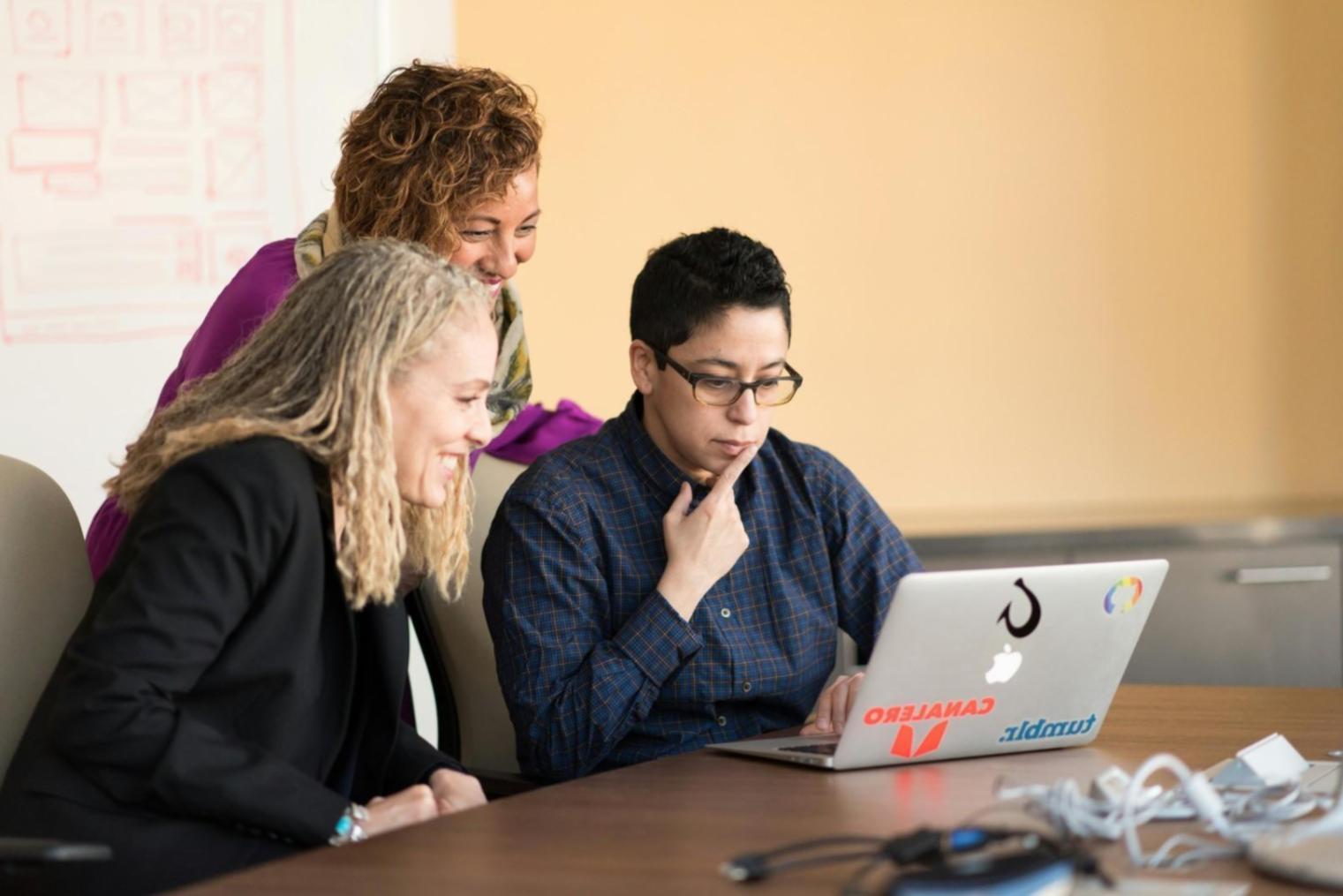
The pdfgear download of your final project is just one artefact. The understanding behind it is the part that travels.
Participants across the UK work through the same material at different times - the platform holds the schedule, you hold the pace.